
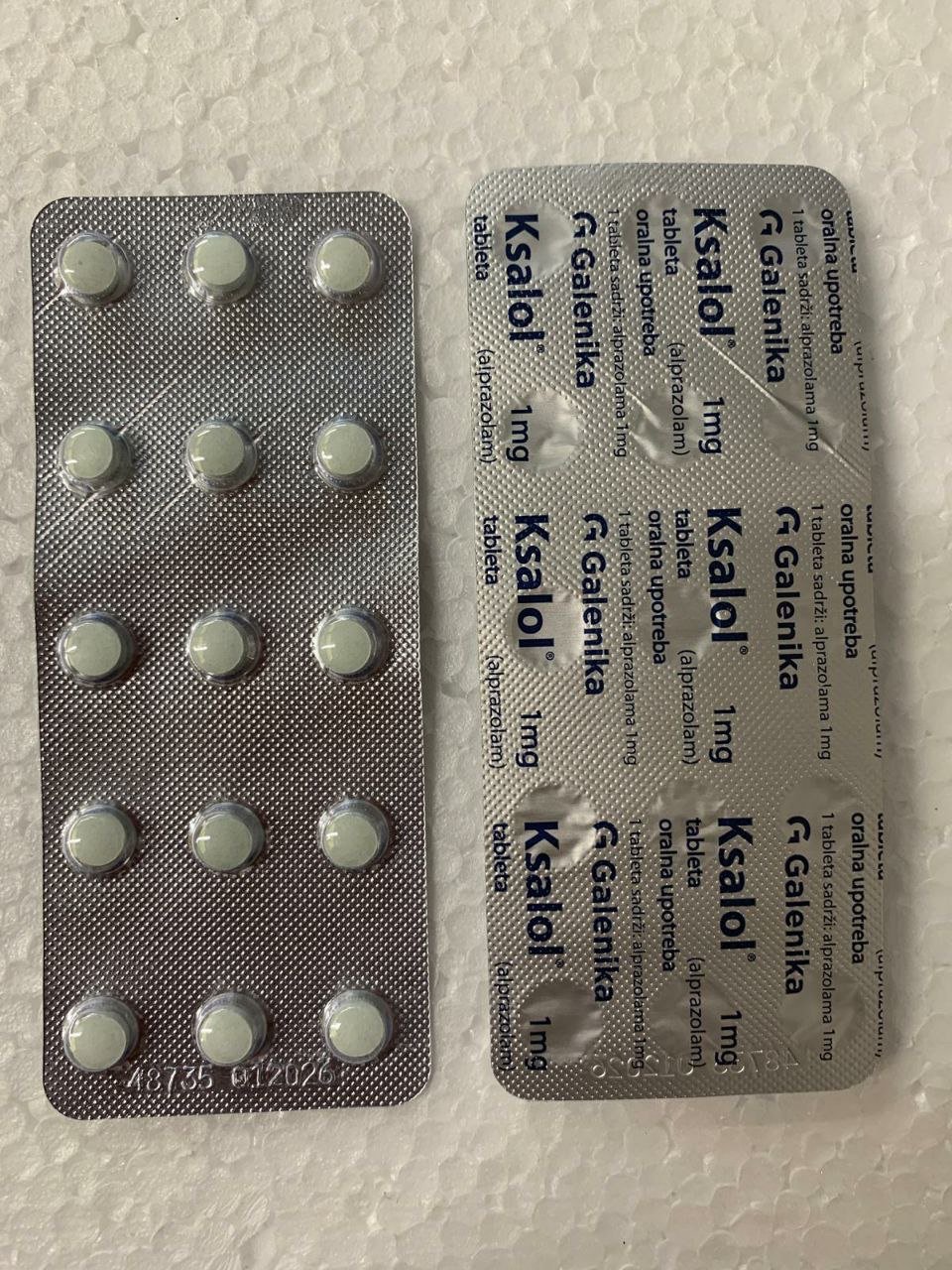
Alprazolam 1mg (Ksalol)
Price range: $299.00 through $849.00
Shipped From :Within United States
Delivery Time :2-4 Business Days
Product Dosage :1mg
Brand Name : Ksalol®
Generic Name :ALPRAZOLAM
Deal of the Month :BONUS PILLS & FREE SHIPPING on 90 Pills and above.
Buy Ksalol Online with Express shipping
Ksalol 1 mg (Alprazolam): Uses, Effects, Side Effects, Safety, and Important Precautions
Medical information only — prescription medicine
Ksalol 1 mg contains alprazolam, a medicine belonging to the benzodiazepine class. Alprazolam is a prescription central nervous system depressant used medically for certain anxiety and panic disorders. It works by reducing excessive activity in the brain and nervous system, producing a calming effect.
Because alprazolam can cause physical dependence, misuse, addiction, sedation, and withdrawal reactions, it should be used only under the supervision of a qualified healthcare professional. The FDA requires prominent warnings for benzodiazepines concerning abuse, misuse, addiction, physical dependence, and withdrawal.
What Is Ksalol 1 mg?
Ksalol 1 mg is a tablet containing 1 mg of alprazolam. Alprazolam belongs to a group of medicines called benzodiazepines. These medicines influence gamma-aminobutyric acid (GABA) activity in the brain, helping reduce excessive nervous-system activity. This can produce calming and sedating effects.
Ksalol should not be considered an ordinary over-the-counter product. Alprazolam is a controlled prescription medicine, and its use requires an appropriate medical evaluation. A healthcare professional determines whether the potential benefits outweigh the risks for an individual patient.
The 1 mg strength does not mean that 1 mg is appropriate for everyone. The appropriate dose and frequency depend on factors such as the condition being treated, previous treatment, other medicines being used, age, and individual response. Patients should never increase the amount or frequency without medical instructions.
What Is Ksalol 1 mg Used For?
Alprazolam is used to treat certain anxiety disorders and panic disorder. It may reduce excessive anxiety and help control episodes of intense fear or panic in appropriately selected patients.
Anxiety can involve persistent worry, nervousness, restlessness, difficulty concentrating, muscle tension, and sleep difficulties. Panic disorder can involve unexpected episodes of intense fear accompanied by physical symptoms such as rapid heartbeat, sweating, trembling, dizziness, or a feeling of losing control.
Although alprazolam may be prescribed for these conditions, it is not appropriate for every person experiencing anxiety. A clinician should determine the underlying cause of symptoms and whether a benzodiazepine is suitable.
How Does Ksalol 1 mg Work?
Alprazolam acts on the brain’s GABA system. GABA is an inhibitory neurotransmitter that helps regulate the activity of nerve cells. By enhancing GABA-related activity, alprazolam decreases excessive neuronal activity and produces a calming effect.
This mechanism can explain several effects associated with alprazolam, including reduced anxiety, relaxation, sleepiness, and slower reactions.
The same central nervous system effects that can provide therapeutic benefits can also cause unwanted effects. For this reason, patients should understand that feeling unusually sleepy, dizzy, confused, or uncoordinated can be a sign that the medicine is affecting them more strongly than expected.
Ksalol 1 mg Effects
The intended therapeutic effect of alprazolam is a reduction in anxiety or panic symptoms when it has been prescribed for an appropriate medical condition.
Some people may experience relaxation or drowsiness because alprazolam decreases nervous-system activity. However, the response varies between individuals.
Possible effects include:
- Reduced anxiety
- Reduced panic symptoms
- Relaxation
- Drowsiness or sleepiness
- Dizziness
- Reduced alertness
- Slower reaction time
- Reduced coordination
These effects can interfere with activities requiring concentration and quick reactions. Patients should not drive or operate machinery until they know how the medicine affects them.
Common Ksalol 1 mg Side Effects
Like other prescription medicines, Ksalol 1 mg may cause side effects. Common adverse effects associated with alprazolam include:
- Drowsiness
- Dizziness
- Light-headedness
- Tiredness
- Headache
- Irritability
- Dry mouth
- Nausea
- Constipation
- Changes in appetite
- Changes in weight
- Difficulty urinating
- Changes in sexual drive or sexual function
- Problems with coordination or balance
Not everyone experiences these effects, and their severity can vary. Patients should discuss persistent or troublesome side effects with their healthcare professional rather than changing the dose independently.
Serious Side Effects
Some reactions require prompt medical attention. Serious symptoms reported with alprazolam include breathing difficulties, seizures, severe allergic reactions, confusion, speech problems, and significant coordination or balance problems.
A severe allergic reaction can involve swelling of the face, lips, tongue, or throat, difficulty breathing or swallowing, hives, or severe itching.
Extreme sleepiness, slowed or difficult breathing, unusual dizziness, or inability to respond can be signs of dangerous central nervous system depression, particularly when alprazolam is combined with opioids or other sedating substances. Such symptoms require emergency medical attention.
Ksalol 1 mg and Dependence
One of the most important considerations with alprazolam is physical dependence.
Physical dependence can develop even when a benzodiazepine is taken as prescribed. The FDA warns that benzodiazepines can cause physical dependence after regular use and that stopping them suddenly or reducing the dose too rapidly can produce serious withdrawal reactions.
Dependence is not identical to addiction. Physical dependence means the body has adapted to the medicine and may react when it is suddenly removed. Addiction involves problematic patterns of use, such as compulsive use despite harm.
Because both dependence and misuse are possible, treatment should be regularly reviewed by the prescribing clinician.
Ksalol 1 mg Withdrawal
Patients should not abruptly stop alprazolam after regular use unless specifically instructed by a healthcare professional.
Withdrawal can include anxiety, sleep problems, shaking, difficulty concentrating, memory problems, muscle twitching, sensory disturbances, and other symptoms. Severe withdrawal can include seizures and significant changes in mental health.
The FDA recommends gradual, individualized dose reduction when benzodiazepine treatment is discontinued. There is no single tapering schedule appropriate for every patient.
Anyone considering stopping Ksalol should speak with the prescribing clinician first.
Ksalol 1 mg and Alcohol
Alcohol can increase the sedating effects of alprazolam and may increase the risk of serious adverse effects.
The FDA specifically advises patients not to drink alcohol while taking benzodiazepines because alcohol can increase the risk of dangerous effects.
Combining alcohol with alprazolam may increase sleepiness, impaired coordination, confusion, and central nervous system depression. In severe circumstances, excessive central nervous system depression can interfere with breathing.
For safety, patients should discuss alcohol consumption with their healthcare professional and follow the medical advice provided.
Ksalol 1 mg and Opioids
Combining alprazolam with opioid medicines is particularly concerning.
The FDA warns that combining benzodiazepines such as alprazolam with opioids can result in profound sedation, respiratory depression, coma, and death.
Patients taking an opioid pain medicine, opioid cough medicine, or another opioid should tell their doctor and pharmacist before taking alprazolam. They should never combine these medicines unless the combination has been specifically evaluated and supervised by a healthcare professional.
Emergency symptoms can include extreme sleepiness, slowed or difficult breathing, unusual dizziness, or inability to wake or respond.
Other Medicines and Ksalol 1 mg
Many medicines can interact with alprazolam. Patients should provide their doctor and pharmacist with a complete list of prescription medicines, over-the-counter medicines, vitamins, supplements, and herbal products.
Potential interactions can occur with other medicines that cause sedation or affect how alprazolam is metabolized. MedlinePlus specifically advises discussing medicines such as certain allergy medicines, cimetidine, antacids, and St. John’s wort with a healthcare professional.
Patients should not begin, stop, or change another medicine without checking whether an interaction could occur.
Ksalol 1 mg and Driving
Alprazolam can cause drowsiness, dizziness, impaired coordination, and reduced alertness. Consequently, driving may become unsafe.
Patients should avoid driving, cycling in hazardous conditions, or operating machinery until they understand their individual response to the medicine. The FDA prescribing information also advises against driving or operating heavy machinery because of the central nervous system effects of alprazolam.
Combining alprazolam with alcohol, opioids, or other central nervous system depressants can further impair alertness and increase risk.
Who Should Tell Their Doctor Before Taking Ksalol?
Before starting alprazolam, patients should tell their healthcare professional about their complete medical history.
Important information may include:
- Previous reactions to alprazolam or other medicines
- Breathing or lung problems
- Liver or kidney disease
- Seizure history
- Glaucoma
- Current or previous substance-use problems
- Depression or other mental-health conditions
- Pregnancy or plans to become pregnant
- Breastfeeding
- All prescription and nonprescription medicines currently being taken
Older adults may be particularly susceptible to adverse effects from sedating medicines, and the risks and benefits should be carefully considered by their clinician.
Ksalol 1 mg During Pregnancy
Pregnancy requires particular medical consideration when alprazolam is involved.
Patients who are pregnant, planning pregnancy, or become pregnant while taking alprazolam should contact their healthcare professional. The FDA prescribing information describes potential neonatal sedation and withdrawal effects following exposure later in pregnancy.
Patients should not independently stop alprazolam because abrupt discontinuation can itself cause dangerous withdrawal. Decisions about continuing, changing, or discontinuing treatment during pregnancy should be made with the prescribing clinician.
Ksalol 1 mg and Breastfeeding
Patients who are breastfeeding or planning to breastfeed should discuss alprazolam with their healthcare professional. MedlinePlus advises patients taking alprazolam not to breastfeed.
A healthcare professional can assess the individual circumstances and discuss appropriate alternatives or precautions.
Taking Ksalol 1 mg Safely
The safest approach is to take alprazolam exactly as prescribed.
Patients should:
- Follow the prescribed dose and schedule.
- Never take more than prescribed.
- Never take it more frequently than prescribed.
- Avoid alcohol unless a healthcare professional specifically advises otherwise.
- Tell healthcare professionals about all other medicines and supplements.
- Avoid driving until the effects are known.
- Never give the medicine to another person.
- Keep the medicine in its original container and away from children.
- Never stop regular treatment suddenly without medical guidance.
MedlinePlus specifically advises patients not to take more alprazolam, take it more often, or use it for longer than instructed by their doctor.
What Happens if a Dose Is Missed?
Patients should follow the instructions provided by their prescriber or pharmacist for missed doses.
General patient information for alprazolam advises taking a missed dose when remembered unless it is almost time for the next scheduled dose. In that situation, the missed dose should be skipped rather than doubled.
Patients should not take an extra tablet to compensate for a missed dose unless their healthcare professional specifically instructs them to do so.
Ksalol 1 mg Overdose
Taking more alprazolam than prescribed can be dangerous.
Possible overdose symptoms include severe drowsiness, confusion, impaired coordination, and loss of consciousness.
The danger can be substantially greater when alprazolam is combined with opioids, alcohol, or other central nervous system depressants. Serious respiratory depression, coma, and death can occur with certain combinations.
Suspected overdose should be treated as a medical emergency.
Storage and Disposal
Ksalol should be stored according to the product labeling and kept securely away from children and other people.
Unused medication should not be shared. MedlinePlus recommends appropriate medication take-back or disposal procedures rather than flushing unwanted alprazolam down the toilet.
Because alprazolam is a controlled prescription medicine, secure storage is especially important.
Frequently Asked Questions
What is Ksalol 1 mg?
Ksalol 1 mg is a formulation containing alprazolam, a benzodiazepine prescription medicine used for certain anxiety and panic disorders.
Is Ksalol 1 mg a sleeping pill?
Alprazolam can cause drowsiness, but its primary approved uses include anxiety and panic disorder rather than being a general-purpose sleeping medicine. It should not be used simply as a sleep aid without appropriate medical advice.
Can Ksalol 1 mg cause dependence?
Yes. Alprazolam can cause physical dependence, and benzodiazepines carry FDA warnings concerning abuse, misuse, addiction, dependence, and withdrawal.
Can Ksalol 1 mg be stopped suddenly?
Regular alprazolam treatment should not generally be stopped abruptly without medical guidance. Sudden discontinuation can cause withdrawal reactions, which can sometimes be severe or life-threatening.
Can Ksalol 1 mg be taken with alcohol?
Alcohol can increase the risks associated with alprazolam. Patients should avoid combining the two and discuss alcohol use with their healthcare professional.
Can Ksalol 1 mg be taken with opioids?
The combination can cause profound sedation and respiratory depression and can be fatal. It should only occur when specifically determined and supervised by an appropriate healthcare professional.
Does Ksalol 1 mg cause drowsiness?
Yes. Drowsiness is a recognized effect of alprazolam. Dizziness, tiredness, impaired coordination, and reduced alertness can also occur.
Can I drive after taking Ksalol 1 mg?
Patients should not drive or operate machinery until they know how alprazolam affects them. Sedation and impaired coordination can make driving dangerous.
Final Safety Information
Ksalol 1 mg is a prescription medicine containing alprazolam. It can have legitimate medical uses for appropriately diagnosed anxiety and panic disorders, but it also carries important risks.
The most significant considerations include sedation, impaired coordination, interactions with other central nervous system depressants, misuse, addiction, physical dependence, and withdrawal. The risks become particularly serious when benzodiazepines are combined with opioids or alcohol.
Patients should use Ksalol 1 mg only according to the instructions of their prescribing healthcare professional. It should never be shared with another person, used for someone else’s symptoms, or taken in a larger amount or more frequently than prescribed.
This information is intended for general educational purposes and does not replace a doctor’s diagnosis, prescription, or individualized medical advice. Always consult a qualified healthcare professional or pharmacist before starting, stopping, or changing alprazolam treatment.
| Quantity | 90 Pills, 180 Pills, 360 Pills |
|---|
2 reviews for Alprazolam 1mg (Ksalol)
Related products
-
Select options This product has multiple variants. The options may be chosen on the product page
Shipped From :Within United States
Delivery Time :3-4 Business Days
Product Dosage :10mg
Brand Name : AMBIEN®,
Generic Names :ZOLPIDEM
Deal of the Month :BONUS PILLS & FREE SHIPPING on 90 Pills and above. -
Select options This product has multiple variants. The options may be chosen on the product page
Strength: 0.5 mg (Clonazepam)
Prescription: No Prescription Needed
Composition: anticonvulsant
Treatment: Muscle relaxant, anxiolytic, sedative and hypnotic effects
Shipping From: With in USA
Delivery time:
USA: 1 to 3 Days
Canada: 3 to 4 Days
International Delivery: 5 to 7 Days
-
Select options This product has multiple variants. The options may be chosen on the product page
Shipped From :Within United States
Delivery Time :2-4 Business Days
Product Dosage : As per Demand
Brand Name : Xanax Blue bar®
Generic Name :ALPRAZOLAM
Deal of the Month :BONUS PILLS & FREE SHIPPING on 90 Pills and above. -
Select options This product has multiple variants. The options may be chosen on the product page
Shipped From :Within United States
Delivery Time :3-4 Business Days
Product Dosage :20mg
Brand Name : Horizant®, Gralise® and Neurontin®
Generic Name :Clonazepam
Deal of the Month :BONUS PILLS & FREE SHIPPING on 90 Pills and above.
Jaffery –
Best Quality Fast Shipping
Mark –
Thank you Doing Buisness With Us.
Jaffery –
Expensive fastest Delivery Good Quality
Mark –
Thank you Doing Buisness With Us.