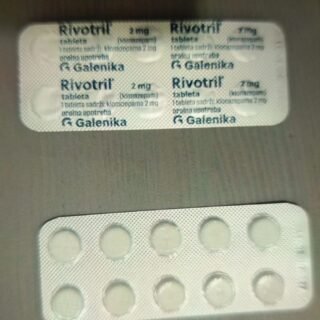

Valium 10mg (Martin Dow)
$199.00 – $849.00Price range: $199.00 through $849.00
Shipped From :Within United States
Delivery Time :2-4 Business Days
Product Dosage :10mg
Brand Name : Diazepam®
Generic Name :Valium
Deal of the Month :BONUS PILLS & FREE SHIPPING on 90 Pills and above.

Valium 10 mg (Diazepam): Uses, Effects, Side Effects, Interactions, Dependence and Safety
Valium 10 mg is a prescription medicine containing diazepam, a medication belonging to the benzodiazepine class. Diazepam affects activity in the central nervous system and can produce calming, muscle-relaxing, anticonvulsant, and sedative effects. In the United States, Valium is a controlled prescription medication and carries important warnings concerning abuse, misuse, addiction, physical dependence, withdrawal, and its potentially dangerous interaction with opioid medicines.
Because diazepam can cause significant sedation and can become habit-forming, it should only be used under the direction and supervision of an appropriately licensed healthcare professional. The 10 mg strength should not be interpreted as a recommended dose for everyone; the appropriate strength and schedule depend on the patient’s medical condition, age, other medications, and individual response.
What Is Valium 10 mg?
Valium is the brand name for diazepam. Diazepam is a benzodiazepine that increases the effects of gamma-aminobutyric acid (GABA), an inhibitory neurotransmitter in the brain. By increasing GABA-related activity, diazepam reduces excessive nervous-system activity.
FDA-approved Valium has several medical uses, including management of anxiety disorders, relief of symptoms associated with acute alcohol withdrawal, adjunctive treatment for certain skeletal-muscle spasms, and adjunctive treatment for certain convulsive disorders.
Valium 10 mg is therefore not simply a general-purpose sleeping or calming medication. Its use should be based on an appropriate medical diagnosis and a clinician’s assessment of the benefits and risks.
Effects of Diazepam
The effects of diazepam vary considerably from person to person. Some patients may experience a reduction in anxiety or muscle tension, while others may experience pronounced drowsiness or impaired coordination.
Possible effects include:
- Relaxation and reduced anxiety
- Sedation or sleepiness
- Reduced muscle tension
- Slower central nervous-system activity
- Reduced seizure activity in appropriate medical circumstances
- Impaired reaction time
- Reduced alertness
- Dizziness or lightheadedness
- Problems with coordination or balance
Because these effects can impair judgment, concentration, coordination, and reaction time, patients should be cautious about driving or operating machinery until they know how the medicine affects them.
Common Side Effects
Like other prescription medicines, diazepam can cause adverse effects. Common effects can include drowsiness, fatigue, muscle weakness, dizziness, and problems with coordination.
Sedation can be particularly important for people who are older, medically fragile, or taking other medicines that affect the central nervous system.
A person taking diazepam should tell their healthcare professional if side effects are persistent, severe, or interfere with normal daily activities.
Serious Side Effects
Some reactions require prompt medical attention. Serious problems can include:
- Extreme sleepiness or inability to remain awake
- Severe confusion
- Significant problems with coordination
- Difficulty breathing
- Loss of consciousness
- Severe allergic reactions
- Unusual behavioral or psychological changes
- Signs of excessive sedation
The risk of serious effects increases when diazepam is combined with other substances that depress the central nervous system.
Valium, Opioids and Dilaudid
One of the most important safety issues involving Valium is its interaction with opioid medicines.
Dilaudid is the brand name for hydromorphone, a potent opioid analgesic used for pain severe enough to require an opioid when alternative treatments are inadequate. Current prescribing information for Dilaudid warns about life-threatening respiratory depression and specifically warns about combining hydromorphone with benzodiazepines or other central-nervous-system depressants.
Valium’s FDA-approved labeling likewise contains a boxed warning that combining benzodiazepines such as diazepam with opioids can result in profound sedation, respiratory depression, coma, and death.
This means that Valium and Dilaudid should not be combined unless specifically directed and closely supervised by a healthcare professional.
The danger is not limited to Dilaudid. Similar concerns apply to other opioid pain medicines.
Why Valium and Dilaudid Can Be Dangerous Together
Diazepam and hydromorphone both suppress activity in the central nervous system, although they do so through different mechanisms.
When their effects overlap, sedation can become much stronger than expected. Breathing can become dangerously slow or inadequate.
Potential consequences include:
- Severe drowsiness
- Reduced awareness
- Loss of protective reflexes
- Slow or difficult breathing
- Loss of consciousness
- Coma
- Death
The FDA advises particular caution when benzodiazepines are prescribed with opioids because of these potentially life-threatening effects.
Alcohol and other sedating substances can increase the danger even further.
Diazepam and Alcohol
Alcohol should not be combined with diazepam unless a healthcare professional has specifically determined that doing so is safe—which generally means avoiding the combination.
Both alcohol and diazepam can cause sedation and central-nervous-system depression. Taking them together can result in substantially increased drowsiness, impaired coordination, impaired judgment, and potentially dangerous respiratory depression.
The risk is especially concerning when alcohol is combined with diazepam and an opioid such as hydromorphone.
Dependence and Addiction
Diazepam belongs to a drug class associated with abuse, misuse, addiction, physical dependence, and withdrawal.
Importantly, physical dependence and addiction are not exactly the same thing.
Physical dependence means that the body has adapted to the medicine and withdrawal symptoms can occur if treatment is stopped suddenly.
Addiction involves compulsive drug-seeking or drug use despite harmful consequences.
A person can develop physical dependence even when taking a benzodiazepine according to a prescription. The FDA requires benzodiazepine labeling to warn about these risks.
Risk can increase with higher doses and longer treatment periods.
Diazepam Withdrawal
People who have been taking diazepam regularly should not abruptly stop the medication without medical guidance.
Suddenly stopping or rapidly reducing diazepam after continued use can cause withdrawal symptoms. These can include:
- Anxiety
- Irritability
- Restlessness
- Insomnia
- Tremors
- Sweating
- Difficulty concentrating
- Sensory disturbances
- Muscle symptoms
- Seizures in severe cases
The FDA warns that benzodiazepine withdrawal can sometimes be serious or life-threatening. A healthcare professional may therefore reduce the medication gradually rather than stopping it suddenly.
The appropriate tapering approach is individualized and should be determined by the prescribing clinician.
Who May Need Special Caution?
Extra caution may be appropriate for people who:
- Are older adults
- Have breathing problems
- Have liver impairment
- Have a history of substance-use problems
- Take opioid medicines
- Take other sedating medicines
- Drink alcohol
- Take multiple prescription medications
- Have a history of falls
- Are pregnant or planning pregnancy
A complete medication history is important because diazepam can interact with numerous medicines and substances.
Driving and Operating Machinery
Diazepam can impair alertness, coordination, reaction time, and judgment.
Patients should not drive, operate machinery, or perform potentially dangerous activities until they understand how the medicine affects them.
This precaution becomes particularly important when diazepam is combined with another sedating medication.
The Valium labeling specifically warns about impairment when benzodiazepines are used with opioids.
Taking More Than Prescribed
Taking more diazepam than prescribed can increase sedation and other adverse effects.
Misusing diazepam—such as taking it more frequently, taking someone else’s medication, or combining it with alcohol or opioids—can substantially increase the risk of overdose and death.
A higher tablet strength does not necessarily mean a better or more effective treatment. Medication selection and dosing must be individualized by a healthcare professional.
Dilaudid and Other Opioids
Dilaudid contains hydromorphone, an opioid analgesic. Current FDA prescribing information states that hydromorphone can cause serious, life-threatening, or fatal respiratory depression.
Hydromorphone also carries warnings concerning addiction, abuse, misuse, accidental ingestion, and interactions with benzodiazepines and other central-nervous-system depressants.
Consequently, Dilaudid should be treated as a high-risk prescription medication requiring careful medical supervision.
The combination of Dilaudid + Valium + alcohol is particularly concerning because all three can contribute to central-nervous-system depression.
Signs of Possible Overdose
An overdose involving diazepam or a combination of diazepam with other depressant substances may produce:
- Extreme sleepiness
- Difficulty waking
- Severe confusion
- Poor coordination
- Slowed or abnormal breathing
- Loss of consciousness
- Coma
When an opioid such as Dilaudid is involved, respiratory depression can be particularly dangerous.
If someone is difficult to wake, has abnormal or absent breathing, or appears to be experiencing an opioid overdose, emergency medical assistance should be obtained immediately. For suspected opioid overdose, an opioid overdose reversal medication such as naloxone may be appropriate when available, but emergency medical care is still required. Current Dilaudid labeling emphasizes obtaining emergency medical help even after an opioid reversal agent is administered.
Safe Use of Valium 10 mg
Safe use means following the prescription exactly and communicating openly with the healthcare professional who prescribed it.
Patients should tell their clinician about:
- Every prescription medication they take
- Over-the-counter medicines
- Alcohol consumption
- Recreational substances
- Previous problems with medications
- Other sedating medicines
- Opioid pain medicines such as hydromorphone
Patients should never increase the amount or frequency of diazepam on their own.
Storage and Accidental Exposure
Prescription medicines should be stored securely and kept away from children and anyone for whom they were not prescribed.
Accidental ingestion of medicines that affect the central nervous system can be dangerous. Hydromorphone in particular can cause fatal overdose following accidental ingestion, including in children.
Unused medication should be disposed of according to appropriate medication-disposal guidance.
Why Medical Supervision Matters
Valium can be an appropriate medicine for specific medical conditions, but its benefits need to be balanced against sedation, dependence, withdrawal, misuse, and drug-interaction risks.
The FDA’s benzodiazepine safety communication emphasizes assessing the patient’s risk for abuse, misuse, and addiction before and throughout treatment.
This is particularly important when a patient is also receiving an opioid.
Valium 10 mg: Key Safety Points
Valium 10 mg contains diazepam, a benzodiazepine prescription medicine.
The most important safety considerations are:
- Use only under appropriate medical supervision.
- Do not share diazepam with another person.
- Do not increase the dose without medical direction.
- Avoid alcohol unless your healthcare professional specifically advises otherwise.
- Do not combine diazepam with opioids such as Dilaudid unless specifically directed by a qualified clinician.
- Be aware that physical dependence can develop.
- Do not abruptly discontinue regular treatment without medical guidance.
- Be cautious about driving and operating machinery.
- Seek emergency assistance for severe sedation, loss of consciousness, or breathing difficulties.
Final Note
Valium 10 mg can have legitimate medical uses when prescribed appropriately, but it is not a medication that should be marketed as universally safe, risk-free, or suitable for self-treatment. Diazepam carries FDA boxed warnings regarding opioid interactions, abuse, misuse, addiction, dependence, and withdrawal.
Dilaudid (hydromorphone) likewise carries serious warnings about respiratory depression, misuse, addiction, and potentially fatal interactions with benzodiazepines and other central-nervous-system depressants.
For that reason, any website providing information about Valium or Dilaudid should clearly distinguish medical education from prescribing or purchasing advice and direct patients to qualified healthcare professionals for individualized treatment decisions.
| Quantity | 60 Pills, 90 Pills, 180 Pills, 360 Pills, 450 Pills |
|---|
1 review for Valium 10mg (Martin Dow)
Related products
-
Select options This product has multiple variants. The options may be chosen on the product page
Strength: 0.5 mg (Clonazepam)
Prescription: No Prescription Needed
Composition: anticonvulsant
Treatment: Muscle relaxant, anxiolytic, sedative and hypnotic effects
Shipping From: With in USA
Delivery time:
USA: 1 to 3 Days
Canada: 3 to 4 Days
International Delivery: 5 to 7 Days
-
Select options This product has multiple variants. The options may be chosen on the product page
Shipped From :Within United States
Delivery Time :2-4 Business Days
Product Dosage : As per Demand
Brand Name : Xanax green bar®
Generic Name :ALPRAZOLAM
Deal of the Month :BONUS PILLS & FREE SHIPPING on 90 Pills and above.



nathan –
Good quality best product