
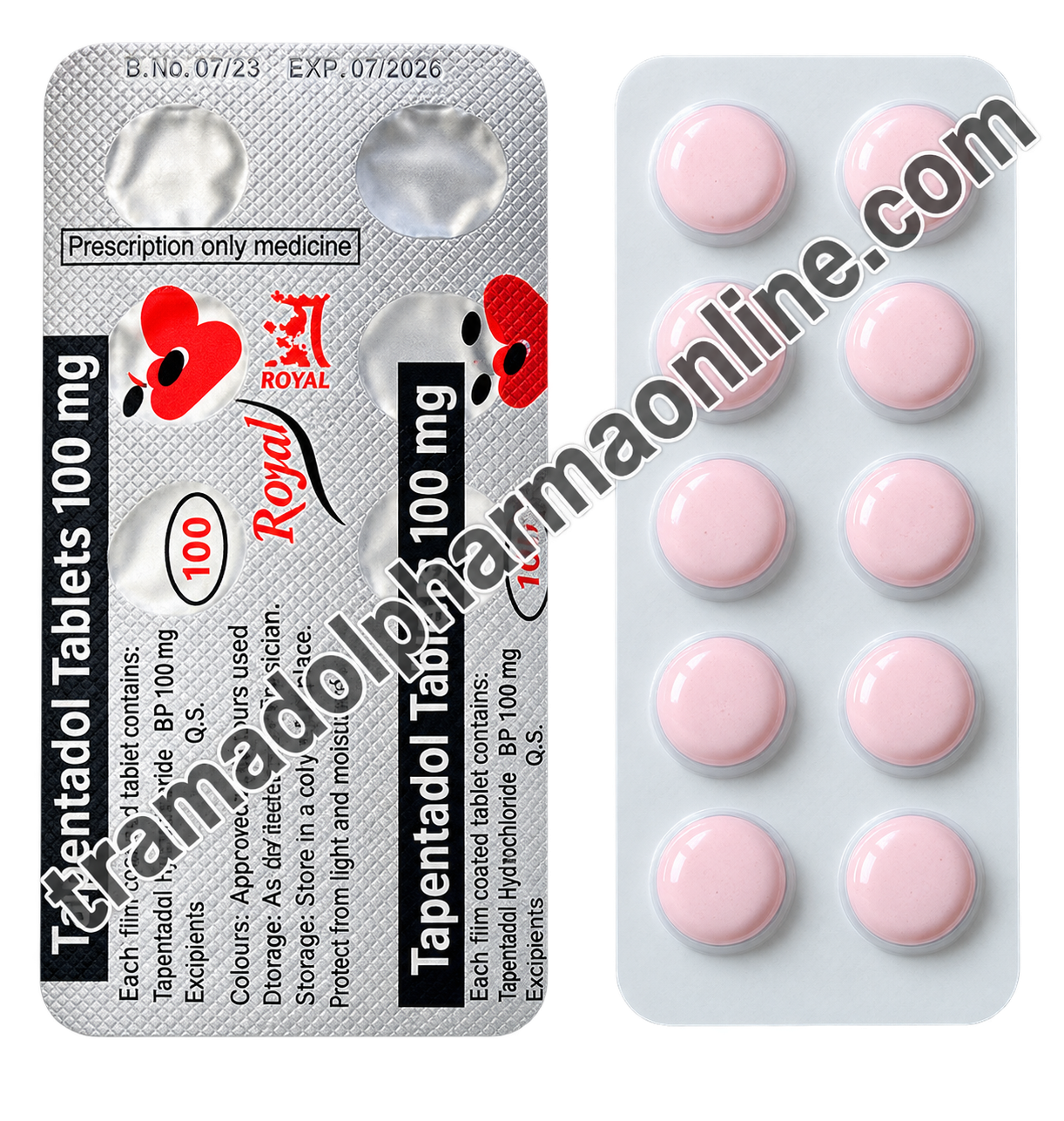
Tapentadol 100 mg
Price range: $249.00 through $675.00
Shipped From :Within United States
Delivery Time :3-4 Business Days
Product Dosage :100mg
Brand Name : Nucynta
Generic Name :Tapentadol
Deal of the Month :BONUS PILLS & FREE SHIPPING on 90 Pills and above.
Tapentadol 100 mg : Uses, Effects, Side Effects, Warnings, and Safe Use
Introduction
Tapentadol is a prescription opioid analgesic used for the treatment of certain types of moderate to severe pain. Tapentadol works through two complementary mechanisms: it acts on opioid receptors in the central nervous system and also affects norepinephrine signaling involved in pain transmission. Because tapentadol is an opioid medicine, it can provide significant pain relief but also carries important risks, including sedation, respiratory depression, misuse, dependence, addiction, and overdose.
Aspadol is a brand name associated with tapentadol in some markets. A 100 mg tablet contains 100 mg of tapentadol, but the appropriate strength and formulation depend on the individual prescription. Immediate-release and extended-release tapentadol products are not interchangeable simply because they contain the same active ingredient. Patients should use only the formulation and strength prescribed by their healthcare professional.
This article provides general information about tapentadol 100 mg, including its medical uses, expected effects, common side effects, serious adverse reactions, interactions, precautions, dependence risks, and safe storage. It is intended for educational purposes and should not replace advice from a physician or pharmacist.
What Is Tapentadol 100 mg?
Tapentadol is a centrally acting opioid analgesic. In the United States, tapentadol tablets are controlled prescription medicines because of their potential for abuse, misuse, addiction, and overdose. Current prescribing information carries a boxed warning concerning these risks.
The 100 mg strength is one available strength of immediate-release tapentadol. FDA prescribing information for immediate-release tapentadol lists 50 mg, 75 mg, and 100 mg tablet strengths. The actual dose required by a patient varies according to the type and severity of pain, previous opioid exposure, medical conditions, other medications, and individual response.
The number printed on a tablet should never be interpreted as a recommendation for self-treatment. A 100 mg tablet is not automatically appropriate for every person experiencing severe pain. Patients should take tapentadol only according to the prescription provided by their healthcare professional.
How Tapentadol Works
Tapentadol has a distinctive pharmacological profile. It acts as a mu-opioid receptor agonist and also inhibits norepinephrine reuptake. These actions influence how pain signals are transmitted and processed by the nervous system.
The opioid component reduces the perception and emotional response to pain. The norepinephrine-related mechanism contributes to the modulation of pain pathways, particularly pathways involved in certain forms of nerve-related pain.
Because the medicine acts on the central nervous system, it can also produce effects such as sleepiness, dizziness, impaired alertness, and slowed breathing. These effects are important reasons why tapentadol must be used carefully and under medical supervision.
Medical Uses
Tapentadol immediate-release tablets are used for the short-term treatment of severe acute pain in appropriate patients when an opioid analgesic is considered necessary and alternative treatments are inadequate. MedlinePlus notes that immediate-release tapentadol may be used for acute pain expected to resolve as the underlying cause heals.
Extended-release tapentadol is used differently. It may be prescribed for severe, persistent pain requiring around-the-clock treatment when other pain medicines are inadequate. Certain extended-release formulations are also used for severe persistent neuropathic pain associated with diabetic peripheral neuropathy.
The formulation therefore matters. Patients should not substitute immediate-release tablets for extended-release tablets, or vice versa, without explicit medical instructions.
What Effects Can Tapentadol Have?
The intended therapeutic effect of tapentadol is pain reduction. Depending on the patient’s condition and prescribed formulation, pain may become less intense and easier to tolerate.
Some people may also experience central nervous system effects such as drowsiness, relaxation, dizziness, or reduced alertness. These are not necessarily signs that the medicine is working better. In fact, excessive sleepiness or unusual difficulty staying awake can indicate excessive opioid effects and may require urgent medical attention.
Tapentadol does not correct the underlying cause of every type of pain. Its purpose is to modify pain perception and transmission. Patients should continue appropriate treatment for the underlying condition when recommended by their healthcare professional.
Common Side Effects of Tapentadol
Like other prescription medicines, tapentadol can cause side effects. The most common adverse reactions reported with extended-release tapentadol include nausea, constipation, dizziness, headache, and sleepiness.
Other possible effects include:
- Dry mouth
- Headache
- Stomach discomfort
- Heartburn
- Excessive tiredness
- Anxiety
- Drowsiness
- Difficulty sleeping
- Abnormal dreams
- Irritability
- A sudden sensation of warmth
MedlinePlus advises patients to tell their healthcare professional if side effects are severe, persistent, or troublesome.
Constipation is particularly common with opioid medicines. Patients should discuss persistent constipation with their healthcare professional rather than independently adding medicines or changing their tapentadol dose.
Serious Side Effects
Some reactions require prompt medical assessment. Serious adverse effects associated with tapentadol can include seizures, severe allergic reactions, loss of consciousness, significant blood-pressure-related dizziness, chest pain, and breathing difficulties.
A serious allergic reaction may involve hives, itching, swelling of the face, lips, tongue, or throat, hoarseness, or difficulty breathing or swallowing.
Another important warning concerns excessive opioid effects. Symptoms such as extreme sleepiness, inability to awaken, slow or shallow breathing, long pauses between breaths, or unusual unresponsiveness can indicate potentially life-threatening respiratory depression.
Emergency medical assistance should be obtained when severe breathing difficulty, unconsciousness, seizure, or suspected overdose occurs.
Respiratory Depression
Respiratory depression is one of the most important safety concerns with tapentadol.
The risk can be particularly significant when treatment begins or when the dosage is increased. The current prescribing information warns that serious or fatal respiratory depression can occur.
The danger can increase when tapentadol is combined with alcohol, sedatives, or other medicines that suppress the central nervous system. MedlinePlus specifically warns against consuming alcohol or using street drugs during tapentadol treatment because of the risk of serious, potentially life-threatening effects.
Anyone taking tapentadol should know the warning signs of opioid overdose, including:
- Very slow or shallow breathing
- Difficulty breathing
- Extreme sleepiness
- Inability to wake up
- Loss of consciousness
- Cold or clammy skin
- Muscle weakness
- Abnormal pupil size
These symptoms require emergency medical attention.
Risk of Addiction, Abuse, and Misuse
Tapentadol is an opioid, and opioid medicines can produce physical dependence and addiction. The prescribing information carries a boxed warning that tapentadol can be abused or misused and that such misuse can result in overdose and death.
Dependence and addiction are not identical. Physical dependence means that the body has adapted to the medicine and withdrawal symptoms can occur when it is stopped suddenly. Addiction involves problematic patterns of use, such as compulsive use despite harmful consequences.
Risk varies between individuals. A history of substance-use problems, previous overdose, or certain psychiatric and medical circumstances may increase risk. Patients should be open with their healthcare professional about their medical and medication history so that treatment can be appropriately monitored.
Tapentadol should never be shared with another person, even if that person appears to have similar pain.
Tolerance and Withdrawal
With continued opioid treatment, the body can develop tolerance, meaning that the same dose may produce less analgesic effect over time. This does not mean that a patient should increase the dose independently.
Physical dependence can also develop during treatment. Stopping tapentadol suddenly after regular use can result in withdrawal symptoms. These may include restlessness, anxiety, irritability, sweating, chills, difficulty sleeping, muscle aches, nausea, vomiting, diarrhea, abdominal cramps, runny nose, rapid heartbeat, and other symptoms.
For this reason, patients who have been taking tapentadol regularly should not abruptly discontinue treatment without medical advice. A healthcare professional can determine whether a gradual dose reduction is appropriate.
Interactions With Alcohol and Other Medicines
One of the most important precautions is avoiding alcohol during tapentadol treatment unless a healthcare professional specifically advises otherwise. Alcohol can increase opioid-related sedation and respiratory depression.
Other medicines can also interact with tapentadol. Patients should provide their doctor and pharmacist with a complete list of prescription medicines, over-the-counter products, vitamins, supplements, and herbal products.
Particular attention is required with medicines that cause sedation or suppress breathing. Combining several central nervous system depressants can substantially increase the risk of severe sedation, respiratory depression, coma, and death.
Tapentadol can also interact with certain medicines affecting serotonin and norepinephrine pathways. Patients should tell their healthcare professional about antidepressants and other psychiatric medicines before treatment begins.
Monoamine oxidase inhibitors require particular attention. MedlinePlus advises patients to tell their healthcare professional if they are taking an MAO inhibitor or have stopped one within the previous two weeks.
Tapentadol and Driving
Tapentadol can cause drowsiness, dizziness, lightheadedness, and impaired alertness. Patients should not drive, operate machinery, or perform hazardous activities until they know how the medicine affects them.
This precaution is particularly important after beginning treatment, after a dose adjustment, or when another sedating medicine is introduced.
Even when a patient feels comfortable taking tapentadol, impairment may still occur. Following the prescribing professional’s instructions is therefore essential.
Pregnancy and Breastfeeding
Tapentadol requires special consideration during pregnancy. Regular opioid exposure during pregnancy can result in neonatal opioid withdrawal after birth. MedlinePlus advises patients who are pregnant or planning pregnancy to discuss tapentadol use with their healthcare professional.
Current prescribing information also identifies pregnancy and lactation as populations requiring special consideration.
Patients who are pregnant, planning pregnancy, or breastfeeding should not make their own decision about continuing, stopping, or changing tapentadol therapy. Medical advice should be obtained.
Liver and Kidney Conditions
Medical conditions affecting the liver or kidneys can influence how medicines are processed and eliminated. Tapentadol therefore requires careful consideration in patients with hepatic or renal impairment.
The current extended-release prescribing information states that use is not recommended in severe hepatic or renal impairment.
Anyone with liver or kidney disease should tell their doctor before taking tapentadol. The prescriber can determine whether the medicine is appropriate and whether special monitoring or dose adjustments are necessary.
Seizure Risk
Tapentadol may be associated with seizures in susceptible patients. A history of seizures should therefore be discussed with a healthcare professional before treatment. MedlinePlus lists seizures among serious symptoms requiring immediate medical attention.
Patients should report any new seizure activity, unusual muscle movements, confusion, or other neurological symptoms promptly.
Serotonin Syndrome and Other Neurological Effects
Tapentadol can interact with medicines that influence neurotransmitters. A combination of medicines affecting serotonin can potentially produce serotonin syndrome.
Symptoms can include agitation, hallucinations, fever, sweating, confusion, rapid heartbeat, shivering, severe muscle stiffness or twitching, loss of coordination, and diarrhea. These symptoms require immediate medical evaluation.
Patients should not begin supplements, antidepressants, or other medicines without informing their healthcare professional about current tapentadol treatment.
Overdose
Taking more tapentadol than prescribed can be dangerous. An overdose may cause profound sedation, unconsciousness, slow or shallow breathing, abnormal pupil size, weakness, slow heartbeat, and potentially death.
Overdose can occur accidentally, especially when tapentadol is combined with alcohol or other sedating substances.
Naloxone is an opioid antagonist that can reverse life-threatening opioid effects. The prescribing information recommends considering access to naloxone for patients at increased risk of overdose, including certain people taking other central nervous system depressants or those with previous overdose risk factors.
If an overdose is suspected, emergency medical assistance should be obtained immediately.
Safe Storage
Tapentadol should be stored securely and kept out of the reach of children and other people who might accidentally or intentionally take it.
Because tapentadol is a controlled opioid medicine, patients should keep track of their medication and avoid leaving tablets in accessible locations. MedlinePlus specifically advises patients not to allow anyone else to take their medicine.
Unused or expired medication should be disposed of through an appropriate medication take-back program when available. Patients can ask a pharmacist about safe disposal options.
What to Do if a Dose Is Missed
Patients should follow the instructions provided for their particular tapentadol formulation.
MedlinePlus advises that patients who miss a dose of either immediate-release or extended-release tapentadol should generally skip the missed dose and continue with the regular schedule rather than taking a double dose.
Because formulations differ, patients should follow the specific instructions supplied with their prescription and contact their pharmacist if they are uncertain.
Do Not Change the Dose Yourself
Pain intensity can change during treatment, but patients should not respond by taking additional tapentadol without medical guidance.
Taking a larger amount, taking doses more frequently, crushing tablets, or using the medicine differently from the prescribed instructions can increase the risk of overdose and serious adverse effects.
The current prescribing information emphasizes assessment of addiction and misuse risk and regular reassessment during treatment.
Immediate-Release Versus Extended-Release Tapentadol
Tapentadol is available in different formulations.
Immediate-release products are designed to release the active ingredient relatively quickly and are used for appropriate acute pain situations. Extended-release products are formulated for longer-lasting delivery and may be prescribed for severe persistent pain requiring around-the-clock treatment.
Extended-release tablets must be swallowed whole. They should not be crushed, chewed, broken, divided, or dissolved because doing so can release too much medicine at once and may cause overdose or death.
Patients should always check whether their prescription is for immediate-release or extended-release tapentadol.
Who Should Discuss Tapentadol Carefully With a Doctor?
A healthcare professional should be informed about:
- Previous opioid use or opioid-related problems
- A history of overdose
- Alcohol or substance-use problems
- Breathing disorders
- Asthma or chronic lung disease
- Head injury or conditions affecting intracranial pressure
- Seizures
- Liver disease
- Kidney disease
- Thyroid disorders
- Diabetes
- Difficulty urinating
- Intestinal obstruction or severe gastrointestinal problems
- Pregnancy or planned pregnancy
- Breastfeeding
- All current medications and supplements
These factors can influence whether tapentadol is appropriate and how safely it can be used.
When to Seek Emergency Help
Emergency care should be sought for symptoms such as severe difficulty breathing, very slow breathing, inability to awaken, loss of consciousness, seizure, severe allergic swelling, or suspected overdose.
Family members and caregivers should know that a person experiencing an opioid overdose may not be able to seek help independently. Where naloxone has been prescribed or otherwise obtained appropriately, household members should know how to use it and should still seek emergency medical assistance after administering it.
Final Considerations
Tapentadol 100 mg is a potent prescription pain medicine that can be appropriate for selected patients when prescribed and monitored by a qualified healthcare professional. It should not be regarded as an ordinary over-the-counter pain reliever.
The benefits of tapentadol must always be considered alongside its risks. These include drowsiness, dizziness, constipation, nausea, respiratory depression, dependence, addiction, misuse, overdose, and potentially fatal interactions with alcohol or other central nervous system depressants.
The safest approach is to take tapentadol exactly as prescribed, never share it with another person, avoid alcohol and unauthorized sedating substances, disclose all other medications to the prescriber or pharmacist, and seek medical help when serious symptoms occur.
Information about a prescription medicine can never substitute for an individualized medical assessment. The appropriate dose, formulation, duration, and treatment plan depend on the patient’s diagnosis and medical circumstances. Anyone considering tapentadol 100 mg or already receiving it should follow the instructions of their prescribing healthcare professional and consult a pharmacist or doctor when questions arise.
| Quantity | 60 Pills, 90 Pills, 180 Pills, 360 Pills, 450 Pills |
|---|
Related products
-
Select options This product has multiple variants. The options may be chosen on the product page
Citra 100mg is a medication commonly used to relieve muscle spasms, cramps, and painful stiffness by relaxing the muscles and improving mobility. It works by targeting involuntary contractions, providing effective relief for discomfort caused by musculoskeletal conditions. Citra 100mg is often recommended for patients experiencing back pain, neck stiffness, or muscle tension due to injury or strain. Taken as prescribed, it helps restore normal movement and reduces discomfort, making daily activities easier. Always use under medical guidance to ensure safe and effective results. Avoid self-medication and follow dosage instructions carefully for best therapeutic benefits.
-
Select options This product has multiple variants. The options may be chosen on the product page
Shipped From :Within United States
Delivery Time :3-4 Business Days
Product Dosage : 500mg
Brand Name : SOMA®
Generic Name :Carisoprodol
Deal of the Month :BONUS PILLS & FREE SHIPPING on 90 Pills and above. -
Select options This product has multiple variants. The options may be chosen on the product page
Shipped From :Within United States
Delivery Time :3-4 Business Days
Product Dosage :375mg/10mg
Brand Name :Norco® and Lortab®
Generic Name :Hydrocodone
Deal of the Month :BONUS PILLS & FREE SHIPPING on 90 Pills and above.


Reviews
There are no reviews yet.