
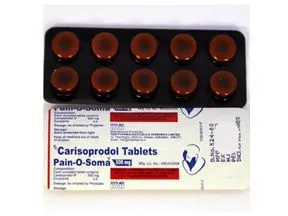
Soma (carisoprodol) 500mg
Price range: $219.00 through $699.00
Shipped From :Within United States
Delivery Time :3-4 Business Days
Product Dosage : 500mg
Brand Name : SOMA®
Generic Name :Carisoprodol
Deal of the Month :BONUS PILLS & FREE SHIPPING on 90 Pills and above.
| Quantity | 60 Pills, 90 Pills, 180 Pills, 360 Pills, 450 Pills |
|---|
2 reviews for Soma (carisoprodol) 500mg
Related products
-
Select options This product has multiple variants. The options may be chosen on the product page
Shipped From :Within United States
Delivery Time :3-4 Business Days
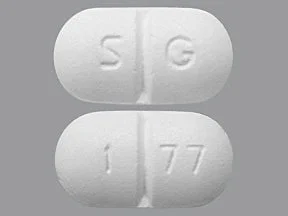
Product Dosage :800mg
Brand Name : Horizant®, Gralise® and Neurontin®
Generic Name :GABAPENTIN
Deal of the Month :BONUS PILLS & FREE SHIPPING on 90 Pills and above. -
Select options This product has multiple variants. The options may be chosen on the product page
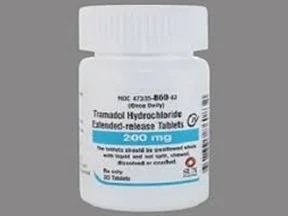
Tramadol 200 mg: Uses, Effects, Side Effects, Safety, and Important Warnings
Overview
Tramadol is a prescription opioid analgesic used to treat certain types of pain when a healthcare professional determines that an opioid medication is appropriate. It affects the way the brain and nervous system perceive and respond to pain. Because tramadol is an opioid, it can cause drowsiness, respiratory depression, dependence, misuse, and overdose, particularly when it is taken differently from the prescribed directions.
A 100 mg strength refers to the amount of tramadol contained in a particular tablet, capsule, or other formulation. The appropriate strength and formulation depend on the patient’s medical condition, age, other medications, kidney and liver function, and whether the product is immediate-release or extended-release.
Tramadol should be used only under the direction of a licensed healthcare professional. It should never be shared with another person, even if that person has symptoms that appear similar.
What Is Tramadol?
Tramadol is a centrally acting opioid pain medication. It reduces the perception of pain through opioid activity and also influences certain neurotransmitter systems involved in pain signaling.
Unlike some stronger opioid medications, tramadol has a mixed mechanism of action. This does not mean that it is risk-free. It remains an opioid and can cause serious adverse effects, including potentially fatal respiratory depression.
In the United States, prescription tramadol is controlled because of its potential for misuse, dependence, and addiction. FDA-approved tramadol products are available only by prescription.
What Is Tramadol 200 mg Used For?
The specific indication depends on the formulation.
Immediate-release tramadol may be prescribed for severe pain when an opioid analgesic is considered necessary and alternative treatments are inadequate. Extended-release formulations are intended for certain patients who require continuous, around-the-clock opioid treatment for persistent severe pain and are not intended for mild or moderate pain or ordinary short-term pain that can be managed with medication taken as needed.
A healthcare professional should determine whether tramadol is appropriate after considering:
- The cause and severity of pain
- Previous pain treatments
- Other prescription and nonprescription medications
- Medical history
- Kidney and liver function
- History of seizures
- Respiratory conditions
- Risk factors for opioid misuse or addiction
- Age and general health
The presence of pain alone does not mean tramadol is appropriate.
How Tramadol Works
Pain is processed through complex pathways involving the peripheral nerves, spinal cord, and brain. Tramadol changes how the nervous system responds to painful signals.
It has opioid activity and also affects the reuptake of neurotransmitters involved in pain transmission. Because of these combined effects, tramadol can produce pain relief as well as opioid-related effects such as sleepiness and slowed breathing.
Its effects can vary considerably between individuals. Genetic differences in how the body metabolizes tramadol can influence both its effectiveness and the likelihood of adverse effects.
Tramadol 200 mg Effects
When prescribed appropriately, the intended effect of tramadol is reduction of pain. However, patients may experience other effects.
Possible effects include:
- Reduced perception of pain
- Sleepiness or drowsiness
- Dizziness
- Headache
- Dry mouth
- Nausea
- Vomiting
- Constipation
- Changes in mood
- Reduced coordination
- Lightheadedness
Tramadol can impair alertness and coordination. Patients should not drive, operate machinery, or perform potentially hazardous activities until they know how the medicine affects them.
Taking more tramadol than prescribed does not necessarily produce better pain control. Instead, excessive exposure can increase the risk of serious toxicity, including respiratory depression, seizures, loss of consciousness, and death.
Common Side Effects of Tramadol
Some side effects are relatively common and may become less troublesome as the body adjusts to treatment. Patients should nevertheless tell their healthcare professional about persistent, severe, or unusual symptoms.
Commonly reported effects include:
Nausea
Tramadol can cause nausea and, in some people, vomiting. Taking the medicine exactly as prescribed and discussing persistent nausea with a healthcare professional may help determine whether treatment should be adjusted.
Drowsiness
Sleepiness is a common opioid effect. It can become dangerous when tramadol is combined with alcohol, sedatives, or other medicines that depress the central nervous system.
Dizziness
Tramadol may cause dizziness or lightheadedness, including when standing up. Patients should rise slowly and take care to avoid falls.
Constipation
Opioid medicines commonly slow intestinal movement, which can result in constipation. Persistent constipation should be discussed with a healthcare professional.
Dry Mouth
Some patients experience dry mouth while taking tramadol. Adequate fluid intake and appropriate oral hygiene may be helpful unless a healthcare professional has instructed otherwise.
Headache
Headache has also been reported during tramadol treatment.
Serious Side Effects and Warnings
Tramadol has important safety warnings. The risks should be discussed with a healthcare professional before treatment begins.
Respiratory Depression
One of the most serious opioid-related risks is respiratory depression, meaning breathing becomes abnormally slow or shallow.
The risk can be particularly significant during the first several days of treatment and after a dose increase. Older adults and people with certain respiratory conditions may have increased risk.
Emergency symptoms can include:
- Very slow breathing
- Long pauses between breaths
- Difficulty breathing
- Extreme sleepiness
- Inability to wake the person
- Loss of consciousness
- Blue or purple lips or fingernails
These symptoms require emergency medical attention.
Overdose
Taking too much tramadol can cause overdose. Possible overdose symptoms include pinpoint pupils, extreme sleepiness, slow or shallow breathing, inability to respond, slowed heartbeat, muscle weakness, cold or clammy skin, and loss of consciousness.
An opioid overdose can be fatal because opioids can suppress the brain’s control of breathing.
Naloxone is a medication that can reverse opioid overdose temporarily. People who are prescribed opioids may want to discuss naloxone availability and overdose-response training with their healthcare professional.
Seizures
Seizures have been reported with tramadol, including at recommended doses. The risk may increase when tramadol is taken at higher-than-recommended doses or with certain other medicines. People with a history of seizures should discuss this with their healthcare professional before treatment.
Serotonin Syndrome
Tramadol can contribute to serotonin syndrome, a potentially life-threatening reaction involving excessive serotonin activity. The risk is particularly important when tramadol is combined with certain antidepressants and other serotonergic medicines.
Possible symptoms include:
- Agitation
- Confusion
- Hallucinations
- Sweating
- Fever
- Rapid heartbeat
- Shivering
- Muscle stiffness
- Muscle twitching
- Loss of coordination
- Nausea
- Vomiting
- Diarrhea
Anyone experiencing symptoms suggestive of a serious drug reaction should seek urgent medical evaluation.
Tramadol and Alcohol
Alcohol should be avoided while taking tramadol unless a healthcare professional specifically determines otherwise.
Combining opioids with alcohol can increase sedation and respiratory depression and may lead to coma or death.
Alcohol may also impair judgment and coordination, making falls, accidents, and other injuries more likely.
Tramadol and Other Medications
Patients should provide their healthcare professional and pharmacist with a complete list of prescription medications, over-the-counter products, vitamins, and supplements.
Particular caution is required with:
- Benzodiazepines and other sedatives
- Other opioids
- Alcohol-containing medicines
- Certain antidepressants
- Monoamine oxidase inhibitors
- Medicines affecting serotonin
- Certain medications that affect tramadol metabolism
- Some drugs that can increase seizure risk
The combination of tramadol with other central nervous system depressants can increase sedation and breathing problems.
Patients should not start, stop, or change another medication without discussing the combination with a healthcare professional or pharmacist.
Tramadol and Dependence
Tramadol can be habit-forming. Physical dependence can develop when the body adapts to repeated opioid exposure.
Dependence is not exactly the same thing as addiction. A person who has become physically dependent may experience withdrawal symptoms if tramadol is suddenly stopped, even when the medication has been taken exactly as prescribed.
The risk of opioid use disorder is higher when an opioid is misused—for example, by taking more than prescribed, taking it more frequently than prescribed, or taking someone else’s medication.
Tramadol Withdrawal
People who have been taking tramadol regularly should not abruptly discontinue treatment without medical guidance.
Withdrawal symptoms may include:
- Nervousness
- Anxiety or panic
- Sweating
- Difficulty sleeping
- Runny nose
- Sneezing
- Cough
- Body aches
- Chills
- Nausea
- Diarrhea
- Shaking
- Restlessness
- Mood changes
A healthcare professional may gradually reduce the dose when discontinuation is appropriate.
Can Tramadol Cause Addiction?
Yes. Tramadol is an opioid and can cause opioid use disorder.
Addiction involves compulsive drug-seeking or drug use despite harmful consequences. Risk varies between individuals and can be affected by personal and medical history.
Warning signs can include:
- Strong cravings
- Taking medication for reasons other than pain
- Taking more medication than prescribed
- Repeatedly seeking early refills
- Obtaining medication from multiple sources
- Continuing use despite serious problems
- Difficulty controlling use
Anyone concerned about dependence or addiction should speak with a healthcare professional rather than attempting to manage the problem alone.
Tramadol Compared With Dilaudid
Dilaudid is a brand name associated with hydromorphone, another prescription opioid analgesic. Hydromorphone and tramadol are not interchangeable medications.
Both can cause opioid-related adverse effects such as sedation, respiratory depression, dependence, and overdose. However, they differ substantially in potency, pharmacology, indications, formulations, and clinical use.
Tramadol also has effects on serotonin and norepinephrine pathways, creating additional considerations such as serotonin syndrome and seizure risk.
A patient should never substitute tramadol for hydromorphone—or hydromorphone for tramadol—without direct medical supervision.
The fact that one opioid may be perceived as weaker or stronger than another does not make unsupervised substitution safe.
Who Should Tell Their Doctor Before Taking Tramadol?
Before receiving tramadol, patients should tell their healthcare professional if they have or have had:
- Breathing problems
- Asthma or lung disease
- Sleep apnea
- Seizures
- Head injury
- Brain tumor or increased intracranial pressure
- Kidney disease
- Liver disease
- Intestinal obstruction
- Problems urinating
- Certain psychiatric conditions
- Substance-use problems
- Previous opioid overdose
- Medication allergies
Patients should also disclose all current medicines and supplements.
Tramadol During Pregnancy
Regular opioid exposure during pregnancy can result in neonatal opioid withdrawal syndrome after birth. Newborns exposed to opioids may require medical treatment for withdrawal.
Anyone who is pregnant, planning pregnancy, or becomes pregnant while taking tramadol should discuss treatment with a healthcare professional.
Tramadol and Breastfeeding
Tramadol can cause serious effects in breastfed infants, including excessive sleepiness and breathing difficulties. Patients who are breastfeeding should discuss tramadol use with their healthcare professional.
Tramadol in Children
Tramadol has important age-related restrictions. It should not be used to treat pain in children younger than 12 years. It also should not be used for pain after tonsillectomy or adenoidectomy in patients younger than 18 years. Certain adolescents also have increased risk of serious breathing problems.
Parents and caregivers should never give a child’s medication to another child without medical direction.
How to Take Tramadol Safely
The safest approach is to follow the exact prescription and instructions provided by the healthcare professional and pharmacist.
Patients should:
- Take only the prescribed amount.
- Take doses at the prescribed intervals.
- Never take extra doses because pain has increased without first contacting the prescriber.
- Never share tramadol.
- Avoid alcohol unless specifically cleared by a healthcare professional.
- Tell healthcare professionals about all other medications.
- Avoid driving until the effects are known.
- Store the medicine securely away from children and other people.
- Dispose of unused medication through an appropriate medication take-back program.
Taking more tramadol than prescribed can result in serious adverse effects or death.
Extended-Release Tramadol
Extended-release tramadol products are designed to release medication over an extended period.
They must be taken exactly according to the product instructions. Extended-release tablets or capsules should generally be swallowed whole rather than crushed, chewed, broken, or dissolved. Altering an extended-release formulation can release too much medication at once and increase the risk of overdose.
Patients should confirm the specific administration instructions for their product with their pharmacist.
Missed Dose
Instructions for a missed dose depend on the prescribed formulation and dosing schedule.
Patients should follow the instructions provided with their prescription. They should not automatically take a double dose to compensate for a missed dose.
Storage
Tramadol should be stored securely and kept out of reach of children and other people who might accidentally or intentionally take it.
Because prescription opioids can be misused, secure storage is particularly important. Unused medication should be disposed of through an appropriate medication take-back program whenever possible.
What to Do in an Emergency
Emergency assistance is needed if someone taking tramadol:
- Cannot be awakened
- Has very slow or shallow breathing
- Stops breathing
- Has a seizure
- Loses consciousness
- Has severe difficulty breathing
- Develops symptoms of a severe allergic reaction
Suspected opioid overdose should be treated as a medical emergency. Naloxone may temporarily reverse opioid effects, but emergency medical assistance is still required.
Frequently Asked Questions
Is tramadol an opioid?
Yes. Tramadol is an opioid analgesic. It can provide pain relief but also carries risks associated with opioid medications, including misuse, dependence, respiratory depression, and overdose.
Is tramadol 100 mg strong?
The significance of a 100 mg strength depends on the formulation and the individual patient. Strength should not be interpreted as an instruction to take a particular amount. A healthcare professional determines the appropriate dose and formulation.
Can tramadol make you sleepy?
Yes. Drowsiness and impaired coordination can occur. Combining tramadol with alcohol or other sedating medicines can substantially increase the risk of dangerous sedation and breathing problems.
Can tramadol cause constipation?
Yes. Constipation is a recognized opioid-related adverse effect. Persistent or severe constipation should be discussed with a healthcare professional.
Can tramadol cause seizures?
Yes. Seizures have been reported even within the recommended dosing range, and certain medications and medical conditions can increase the risk.
Can tramadol cause serotonin syndrome?
Yes. Tramadol can contribute to serotonin syndrome, particularly when combined with other serotonergic medicines. This can be a medical emergency.
Can I drink alcohol while taking tramadol?
Alcohol should generally be avoided during tramadol treatment because combining alcohol with opioids can increase the risk of severe sedation, respiratory depression, coma, and death.
Can I stop tramadol suddenly?
If tramadol has been taken regularly, stopping suddenly can cause withdrawal symptoms. A healthcare professional can determine whether the medication should be tapered gradually.
Is tramadol addictive?
Tramadol can cause dependence, misuse, and addiction. It should therefore be taken only as prescribed and monitored by a healthcare professional.
Final Safety Information
Tramadol 100 mg is a prescription opioid that can be appropriate for certain patients when a qualified healthcare professional determines that opioid treatment is necessary. It is not appropriate for everyone, and the potential benefits must be weighed against risks such as sedation, respiratory depression, seizures, serotonin syndrome, dependence, misuse, and overdose.
Patients should use only medication prescribed specifically for them and should never purchase, borrow, share, or substitute prescription opioids without appropriate medical supervision.
For accurate product-specific instructions, patients should consult the prescribing information supplied with their medication and speak with their physician or pharmacist. The FDA has emphasized that approved tramadol products are prescription medicines and carry significant safety warnings.
-
Select options This product has multiple variants. The options may be chosen on the product page
Hydrocodone 10/325mg (IP 110) combines hydrocodone, a strong opioid pain reliever, with acetaminophen for effective relief of moderate to severe pain. Each tablet is marked “IP 110” for easy identification. Designed for patients needing reliable, fast-acting pain management, this formulation offers long-lasting comfort when other treatments are not sufficient.
-
Select options This product has multiple variants. The options may be chosen on the product page
Citra 100mg is a medication commonly used to relieve muscle spasms, cramps, and painful stiffness by relaxing the muscles and improving mobility. It works by targeting involuntary contractions, providing effective relief for discomfort caused by musculoskeletal conditions. Citra 100mg is often recommended for patients experiencing back pain, neck stiffness, or muscle tension due to injury or strain. Taken as prescribed, it helps restore normal movement and reduces discomfort, making daily activities easier. Always use under medical guidance to ensure safe and effective results. Avoid self-medication and follow dosage instructions carefully for best therapeutic benefits.


krist –
Excellent product Fastest Delivery To Us
Mark –
Thank you Doing Buisness With Us.
krist –
Best Product quality
Mark –
Thank you Doing Buisness With Us.