
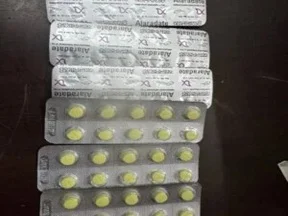
Ritalin 10mg
Price range: $299.00 through $899.00
Ritalin 10mg (Methylphenidate Hydrochloride) – A prescription central nervous system (CNS) stimulant used to treat Attention Deficit Hyperactivity Disorder (ADHD) and narcolepsy. It helps improve focus, attention, and impulse control by balancing natural brain chemicals.
Ritalin 10 mg (Methylphenidate): Uses, Effects, Side Effects, Safety, and Important Information
Introduction
Ritalin 10 mg is a prescription medicine containing methylphenidate hydrochloride, a central nervous system stimulant. Ritalin is prescribed primarily for the treatment of attention-deficit/hyperactivity disorder (ADHD) and narcolepsy. The 10 mg strength is one of the tablet strengths identified in the U.S. prescribing information.
Because Ritalin is a prescription stimulant with potential for abuse, misuse, dependence, and addiction, it should be taken only under the supervision of a qualified healthcare professional. The FDA prescribing information carries a boxed warning concerning abuse, misuse, and addiction.
This article provides general educational information about Ritalin 10 mg, including how it works, its intended medical uses, expected effects, common side effects, serious risks, interactions, precautions, and safe storage. It is not a substitute for an individual medical evaluation or the prescribing instructions provided by a doctor or pharmacist.
What Is Ritalin 10 mg?
Ritalin 10 mg contains 10 milligrams of methylphenidate hydrochloride. Methylphenidate belongs to a group of medicines known as central nervous system stimulants. Ritalin is available in several tablet strengths, including 5 mg, 10 mg, and 20 mg.
The 10 mg tablet should not be considered appropriate for every patient simply because it is a relatively common strength. The appropriate dose depends on the individual’s diagnosis, age, response to treatment, other medicines, medical history, and the particular methylphenidate formulation prescribed.
Ritalin is a prescription-only medicine. A person should never use another person’s Ritalin, change the dose without medical advice, or take Ritalin in a way that differs from the prescribed directions.
What Is Ritalin Used For?
Ritalin is FDA-approved for two primary indications: ADHD and narcolepsy.
For people with ADHD, treatment with methylphenidate may help reduce symptoms involving difficulty maintaining attention, impulsive behavior, and excessive activity. Medication is generally considered as one part of a broader treatment plan.
For people with narcolepsy, methylphenidate may be used to help manage excessive daytime sleepiness associated with the disorder.
The purpose of Ritalin treatment is not to provide a general energy boost or improve performance in people who do not have a medical indication. It should be used only when prescribed for an appropriate medical reason.
How Does Ritalin Work?
Methylphenidate affects chemical signaling in the brain and central nervous system. Its pharmacological effects involve neurotransmitter systems associated with attention, alertness, and activity.
The precise clinical response varies considerably from one person to another. Some patients may notice better control of ADHD symptoms, while others may experience unwanted effects such as nervousness, decreased appetite, headache, or difficulty sleeping.
Ritalin does not work identically for everyone. A healthcare professional may adjust treatment according to the patient’s response and tolerability.
Ritalin 10 mg and ADHD
ADHD can affect attention, organization, impulse control, and activity levels. When a healthcare professional determines that stimulant medication is appropriate, methylphenidate may be included as part of treatment.
Ritalin treatment should be individualized. The FDA prescribing information describes starting and titration approaches that differ according to age and clinical circumstances. The labeled maximum total daily dose for Ritalin tablets is 60 mg, but this does not mean that a patient should work toward that amount. The patient’s prescribed dose should always take priority.
A person should never increase Ritalin from 10 mg to a higher dose simply because they believe the medication has become less effective. A doctor should evaluate the situation and determine whether a dosage adjustment, different formulation, or another treatment approach is appropriate.
Ritalin and Narcolepsy
Narcolepsy is a neurological sleep disorder characterized by excessive daytime sleepiness and other sleep-related symptoms. Ritalin may be prescribed to help improve wakefulness in appropriately diagnosed patients.
Treatment for narcolepsy should be individualized because excessive daytime sleepiness can have several possible causes. A healthcare professional may consider the patient’s sleep history, other medicines, medical conditions, and overall health before prescribing stimulant treatment.
What Effects Can Ritalin Have?
The intended effects of Ritalin depend on why it has been prescribed.
For an individual with ADHD, effective treatment may help improve attention, reduce impulsivity, and make it easier to regulate activity and behavior.
For someone with narcolepsy, methylphenidate may improve wakefulness and reduce excessive daytime sleepiness.
The effects should not be interpreted as a reason to take additional tablets. Taking more Ritalin than prescribed can increase the likelihood of adverse effects and overdose. The FDA specifically warns that misuse or abuse of Ritalin can result in overdose and death.
Common Side Effects of Ritalin 10 mg
Like all medicines, Ritalin can cause side effects. Not everyone experiences them, and their severity can vary.
The FDA prescribing information lists several common adverse reactions associated with Ritalin, including:
- Headache
- Insomnia or difficulty sleeping
- Anxiety
- Increased heart rate
- Palpitations
- Increased sweating
- Decreased appetite
- Weight loss
- Dry mouth
- Nausea
- Abdominal pain
MedlinePlus also reports possible effects such as nervousness, irritability, restlessness, dizziness, stomach discomfort, vomiting, diarrhea, heartburn, muscle tightness, drowsiness, and decreased sexual desire.
Some side effects may become less troublesome as the body adjusts to treatment, but persistent, severe, or concerning symptoms should be discussed with a healthcare professional.
Ritalin and Appetite
Reduced appetite is a recognized effect of methylphenidate. Some people taking Ritalin may eat less than usual, and weight loss can occur.
For children and adolescents receiving stimulant treatment, healthcare professionals may monitor height and weight because methylphenidate can affect growth or weight gain.
Anyone experiencing substantial or unexplained weight loss should discuss it with their doctor rather than changing the Ritalin dose independently.
Ritalin and Sleep
Difficulty falling asleep or staying asleep is a recognized side effect of methylphenidate.
The timing of a dose can therefore be clinically important. Patients should follow the schedule prescribed by their healthcare professional rather than moving doses around on their own.
If Ritalin consistently causes insomnia, the patient should speak with the prescribing clinician. The clinician can determine whether the timing, dose, formulation, or overall treatment plan needs review.
Ritalin and Heart Rate or Blood Pressure
Ritalin can increase heart rate and blood pressure. The FDA recommends monitoring blood pressure and pulse during treatment.
People with certain cardiovascular conditions may require particular caution. The FDA prescribing information advises avoiding Ritalin in patients with serious cardiac disease, including certain serious structural abnormalities, cardiomyopathy, serious arrhythmias, and coronary artery disease.
Patients should tell their doctor about personal or family histories of heart problems, irregular heartbeat, high blood pressure, or unexplained sudden death before beginning treatment.
Serious Side Effects and Warning Signs
Although many adverse effects are mild, Ritalin can cause serious reactions.
Seek urgent medical attention for symptoms such as:
- Chest pain
- Fainting
- Shortness of breath
- A fast, pounding, or irregular heartbeat
- Severe changes in behavior or mental state
- Hallucinations
- Severe agitation
- Significant vision changes
- Severe allergic reactions
- A prolonged or painful erection
- Significant numbness, pain, or color changes in the fingers or toes
These symptoms should not be ignored.
Psychiatric Effects
Stimulant medicines can sometimes produce psychiatric adverse reactions. The FDA prescribing information includes psychiatric reactions among the warnings associated with Ritalin.
Patients and families should tell a healthcare professional about major changes in mood, unusual behavior, hallucinations, paranoia, severe agitation, or other concerning psychological symptoms.
A history of depression, bipolar disorder, mania, psychosis, or other psychiatric conditions should be discussed with the prescribing clinician before treatment.
Ritalin and Tics
Ritalin can affect motor or verbal tics in some patients. The FDA recommends evaluating patients for a personal or family history of tics or Tourette’s syndrome before treatment and monitoring for the emergence or worsening of tics.
Anyone who develops new or worsening repetitive movements or vocalizations should tell their healthcare professional.
Ritalin and Dependence
One of the most important safety considerations with Ritalin is its potential for abuse, misuse, and addiction.
The FDA classifies Ritalin as a Schedule II controlled substance and warns that it has a high potential for abuse and misuse. Misuse can contribute to substance use disorder, overdose, and potentially death.
MedlinePlus likewise warns that methylphenidate can be habit-forming and advises taking it exactly as directed.
Ritalin should never be sold, shared, traded, or given to another person. Sharing prescription stimulants can expose another person to potentially serious medical risks and may be illegal.
Ritalin Interactions
Before starting Ritalin, patients should provide their doctor and pharmacist with a complete list of prescription medicines, over-the-counter medicines, vitamins, supplements, and other substances they use.
One particularly important interaction involves monoamine oxidase inhibitors (MAOIs). Ritalin is contraindicated in patients currently taking an MAOI or who have used an MAOI within the previous 14 days.
Ritalin can also interact with other medicines, including some blood-pressure medicines. Medication changes should therefore be discussed with a doctor or pharmacist.
Alcohol can worsen certain side effects associated with methylphenidate, according to MedlinePlus. Patients should ask their healthcare professional about alcohol use while taking Ritalin.
Who Should Tell Their Doctor Before Taking Ritalin?
Before receiving Ritalin, patients should tell their healthcare professional about relevant medical conditions and history.
Important information can include:
- Heart disease
- High blood pressure
- Irregular heartbeat
- Family history of serious heart problems
- Tics or Tourette’s syndrome
- Glaucoma or increased eye pressure
- Mental health conditions
- Circulation problems involving the fingers or toes
- Allergies to methylphenidate or its ingredients
- Pregnancy or plans to become pregnant
- Breastfeeding
- Current or recent use of MAO inhibitors
- Previous problems with prescription drug misuse or substance use
Providing complete information allows the prescriber to determine whether Ritalin is appropriate and what monitoring may be necessary.
Taking Ritalin as Prescribed
Ritalin should be taken exactly as directed by the prescribing healthcare professional.
The FDA labeling describes immediate-release Ritalin tablets as being administered according to individualized dosing instructions. The labeled adult dosing information should not be interpreted as a recommendation for any particular patient.
Patients should never:
- Take more Ritalin than prescribed
- Take Ritalin more frequently than prescribed
- Crush or otherwise alter a tablet unless specifically instructed
- Give Ritalin to someone else
- Use Ritalin for a reason other than the prescribed medical purpose
- Increase the dose because the medication seems less effective
- Use someone else’s prescription
What If a Ritalin Dose Is Missed?
The appropriate response to a missed dose can depend on the specific methylphenidate formulation and the time of day.
MedlinePlus advises that patients should ask their doctor or pharmacist how late in the day a missed dose can be taken because taking methylphenidate too late may interfere with sleep. If it is nearly time for the next scheduled dose, the missed dose may need to be skipped. Patients should not take a double dose to compensate.
The safest approach is to follow the instructions supplied with the specific prescription.
Ritalin Overdose
Taking more Ritalin than prescribed can be dangerous. The FDA warns that misuse and abuse of central nervous system stimulants can result in overdose and death.
Potential overdose symptoms can include agitation, confusion, rapid breathing, shaking, muscle twitching, vomiting, sweating, fever, abnormal heart rate, hallucinations, loss of consciousness, and other serious symptoms.
A suspected overdose should be treated as a medical emergency.
Ritalin Storage and Security
Because Ritalin has abuse and misuse potential, safe storage is particularly important.
MedlinePlus recommends keeping methylphenidate in its original container, tightly closed, away from children, and in a secure location where others cannot accidentally or intentionally access it. Patients should monitor the amount remaining so that missing medication can be identified.
Unused medication should be disposed of through an appropriate medication take-back or disposal program rather than being shared with another person.
Ritalin During Pregnancy and Breastfeeding
Patients who are pregnant, planning pregnancy, or breastfeeding should discuss Ritalin treatment with their healthcare professional.
MedlinePlus advises patients to tell their doctor if they become pregnant while taking methylphenidate and to discuss breastfeeding before treatment.
The decision to use Ritalin during pregnancy or breastfeeding should be individualized by a qualified healthcare professional.
Ritalin for Children and Adolescents
Ritalin may be prescribed for children with ADHD when a healthcare professional determines that stimulant treatment is appropriate.
Because methylphenidate can affect appetite, weight, and growth, children receiving treatment may require monitoring of height and weight.
Parents and caregivers should follow the prescribed dose carefully and keep the medication secured.
Ritalin for Adults
Adults may also receive Ritalin for ADHD or narcolepsy when clinically appropriate. The FDA labeling provides adult dosing information, but dosing must be individualized by the prescriber.
Adults should tell their healthcare professional about cardiovascular conditions, psychiatric history, sleep problems, other medications, and any previous concerns involving prescription medication misuse.
Ritalin 10 mg Is Not Appropriate for Everyone
The fact that Ritalin 10 mg is an available tablet strength does not mean that 10 mg is an appropriate dose for every patient.
Treatment decisions should consider diagnosis, age, medical history, other medicines, response to treatment, adverse effects, and the specific formulation being used.
Some patients may require a different dose or formulation, while others may not be appropriate candidates for methylphenidate at all.
Frequently Asked Questions
What is Ritalin 10 mg?
Ritalin 10 mg is a prescription tablet containing 10 mg of methylphenidate hydrochloride. It is a central nervous system stimulant used for ADHD and narcolepsy.
Is Ritalin 10 mg a stimulant?
Yes. Ritalin contains methylphenidate, a central nervous system stimulant.
What are the most common Ritalin side effects?
Commonly reported adverse reactions include decreased appetite, weight loss, headache, insomnia, anxiety, increased heart rate, palpitations, sweating, dry mouth, nausea, and abdominal pain.
Can Ritalin cause dependence?
Yes. Ritalin has a recognized potential for abuse, misuse, dependence, and addiction. It should therefore be taken exactly as prescribed and stored securely.
Can Ritalin affect sleep?
Yes. Difficulty falling asleep or staying asleep is a recognized side effect.
Can Ritalin affect appetite?
Yes. Decreased appetite is a recognized adverse effect, and weight loss can occur.
Can Ritalin increase heart rate?
Yes. Ritalin can increase heart rate and blood pressure, which is why monitoring may be necessary during treatment.
Can I change my Ritalin dose myself?
No. Dose changes should be made only with guidance from the prescribing healthcare professional.
Can I give my Ritalin to someone else?
No. Ritalin should never be shared or sold. It is a controlled prescription medication, and sharing it can cause harm.
Final Safety Summary
Ritalin 10 mg is an established prescription formulation of methylphenidate used under medical supervision for conditions including ADHD and narcolepsy. While Ritalin can provide meaningful symptom control for appropriately selected patients, it also carries important risks.
The most important safety considerations include potential abuse, misuse, addiction, increased heart rate and blood pressure, appetite suppression, weight loss, insomnia, psychiatric reactions, cardiovascular complications, and other adverse effects.
Patients should use Ritalin only according to their prescription, attend recommended follow-up appointments, report concerning symptoms promptly, and keep the medicine securely stored.
This information is intended for education and does not replace the official prescribing information, a pharmacist’s advice, or an individualized medical assessment. Patients should consult their healthcare professional before starting, stopping, or changing Ritalin treatment.
| Quantity | 60 Pills, 90 Pills, 180 Pills, 360 Pills, 450 Pills |
|---|
3 reviews for Ritalin 10mg
Related products
-
Select options This product has multiple variants. The options may be chosen on the product page
Ritalin 10mg (Methylphenidate Hydrochloride) – A prescription central nervous system (CNS) stimulant used to treat Attention Deficit Hyperactivity Disorder (ADHD) and narcolepsy. It helps improve focus, attention, and impulse control by balancing natural brain chemicals.
-
Select options This product has multiple variants. The options may be chosen on the product page
Shipped From :Within United States
Delivery Time :3-4 Business Days
Product Dosage :40mg
Brand Name : FIORICET
Generic Name :BUTALBITAL
Deal of the Month :BONUS PILLS & FREE SHIPPING on 90 Pills and above.
michaelellzey –
Shipping Fast Overnight Delivery good product
Mark –
Thank you Doing Buisness With Us.
michaelellzey –
Expensive products
Mark –
Thank you Doing Buisness With Us.
rameyt –
“The pharmacists answered all my questions clearly and professionally. Outstanding customer care.”Ritalin 10mg
Mark –
Thank you Doing Buisness With Us.